
Emerging Genetic Therapies for FAODs

July 25 @ 1:30 pm – 2:55 pm
New genetic therapies are under development for many rare diseases, and some have been approved by the FDA. However, none are approved for FAODs. This presentation will share ongoing research in three different laboratories aimed at developing mRNA and gene therapies for these disorders.
About the Speaker

Jerry Vockley, MD, PhD, FACMG
Dr. Vockley received his undergraduate degree at Carnegie-Mellon University in Pittsburgh, Pennsylvania, and received his MD and PhD degrees in Medicine and Genetics from the University of Pennsylvania School of Medicine in Philadelphia, Pennsylvania. He completed his pediatric residency at the Denver Children’s Hospital, Denver, Colorado, and his postdoctoral fellowship in Human Genetic and Pediatrics at Yale University School of Medicine in New Haven, Connecticut. Before assuming his current position in Pittsburgh, Dr. Vockley was Chair of Medical Genetics in the Mayo Clinic School of Medicine.
Dr. Vockley is internationally recognized as a leader in the field of inborn errors of metabolism. His current research focuses on mitochondrial energy metabolism, novel therapies for disorders of fatty acid oxidation and amino acid metabolism, and population genetics of the Plain communities in the United States. He has published over 400 peer reviewed scholarly articles and is the principal or Co-investigator on multiple NIH grants. Dr. Vockley also has an active clinical research program and participates in and consults on multiple gene therapy trials. Dr. Vockley has served on numerous national and international scientific boards including the Advisory Committee (to the Secretary of Health and Human Services) on Heritable Disorders in Newborns and Children where he was chair of the technology committee. He has been elected as a Fellow/Member of the American Association for the Advancement of Science, the Association of American Physicians, and the American Society for Clinical Investigation.
Dr. Vockley is a Founding Fellow of the American College of Medical Genetics and Genomics, and currently serves on its board of directors. He is co-founder and co-chair of the International Network on Fatty Acid Oxidation Research and Therapy (INFORM). He has served as chair of the Pennsylvania State Newborn Screening Advisory Committee and is a past president of the Society for the Inherited Metabolic Disorders (SIMD). He is co-founder and editor of the SIMD North American Metabolic Academy. He provides support for numerous family advocacy groups including MitoAction, the United Mitochondrial Disease Foundation, the National PKU Association, and the Organic Acidemia Association. He has received the National Organization of Rare Diseases Scientific and Medical Trailblazer Rare Impact Award (2025) The Organic Acidemia Association Award of Excellence (2021), and the March of Dimes Champion for Babies Award (2015).

Melanie Gillingham, PhD, RD, LD
Dr. Melanie Gillingham’s research in the Department of Molecular and Medical Genetics has focused on various novel therapies for fatty acid oxidation disorders. For 20 years, Dr. Gillingham and her colleagues have conducted clinical trials in subjects with disorders in the fatty acid oxidation pathway. She has examined the effects of medium chain triglycerides (MCT) supplements prior to exercise on exercise performance among subjects with long-chain 3-hydroxyacyl-CoA dehydrogenase (LCHAD) deficiency receiving the Emmanuel Shapira Award for best paper in Molecular Genetics and Metabolism. The Gillingham lab has evaluated the effects of increased dietary protein on metabolic control and energy balance in subjects with LCHAD, carnitine palmitoyltransferase 2 (CPT-2) and very long-chain acylCoA dehydrogenase (VLCAD) deficiencies. In a separate study, Dr. Gillingham conducted supervised metabolic fasting studies in young children with a polymorphism of the CPT1A gene to determine if they have an altered fasting response similar to other fatty acid oxidation disorders.
In 2014, a group of FAO researchers, under the leadership of Dr. Jerry Vockley, founded the International Network for Fatty Acid Oxidation Research and Management (INFORM), an international group working for the advancement of medical and nutrition therapies for fatty acid oxidation disorders (www.informnetwork.org). Dr. Gillingham participates on the organizing committee of INFORM.
Dr. Vockley and Dr. Gillingham completed a randomized trial to examine the effects of an odd-chain fatty acid supplement, triheptanion, on myopathy and cardiac function of patients with long-chain fatty acid oxidation disorders. This is the largest randomized controlled trial conducted in these disorders to date and was recently selected for the Garrod award by the Society for the Study of Inborn Errors of Metabolism (SSIEM). Dr. Gillingham has also conducted a series of studies examining the etiology of retinopathy in LCHAD and the role of diet in the progression of vision loss. Dr. Gillingham is currently conducting a larger natural history study of LCHAD retinopathy.
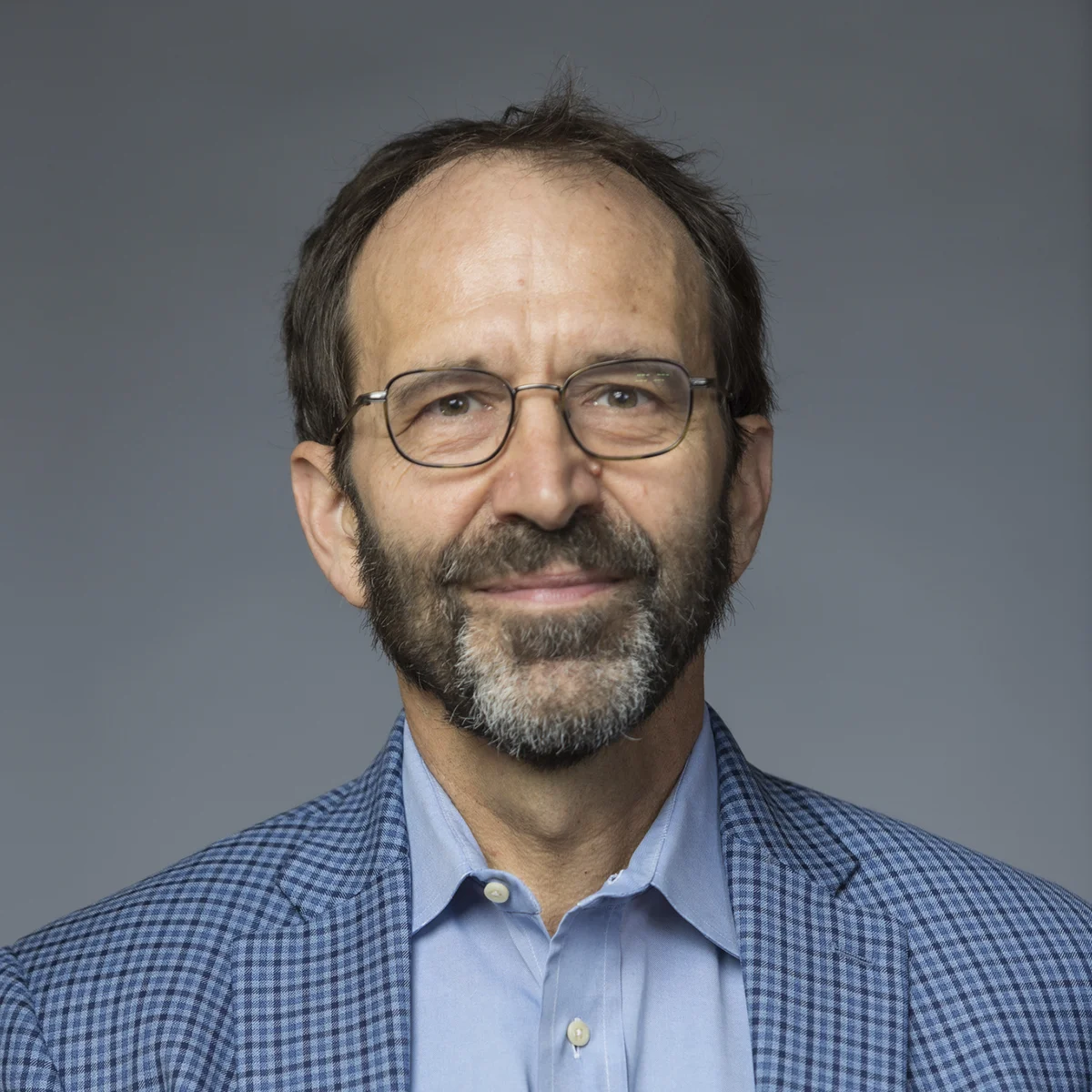
Dwight Koeberl, MD, PhD
Dr. Koeberl attended Carleton College, and then Mayo Medical School and Graduate School, before moving to UCSF for his pediatrics residency. He then completed fellowship training in Clinical and Biochemical Genetics at the University of Washington, before joining the Division of Medical Genetics in the Department of Pediatrics at Duke University in 1999. He serves as Medical Director for the Pediatrics Biochemical Genetics Laboratory and sees patients in the Metabolic Clinic. His research has focused on the development of new therapy for inherited metabolic disorders, including glycogen storage disease type Ia and Pompe disease. He initiated a clinical trial of AAV8 gene therapy for Pompe disease that is ongoing. His laboratory is currently developing genetic therapies for trifunctional protein deficiency and LCHAD deficiency.